|
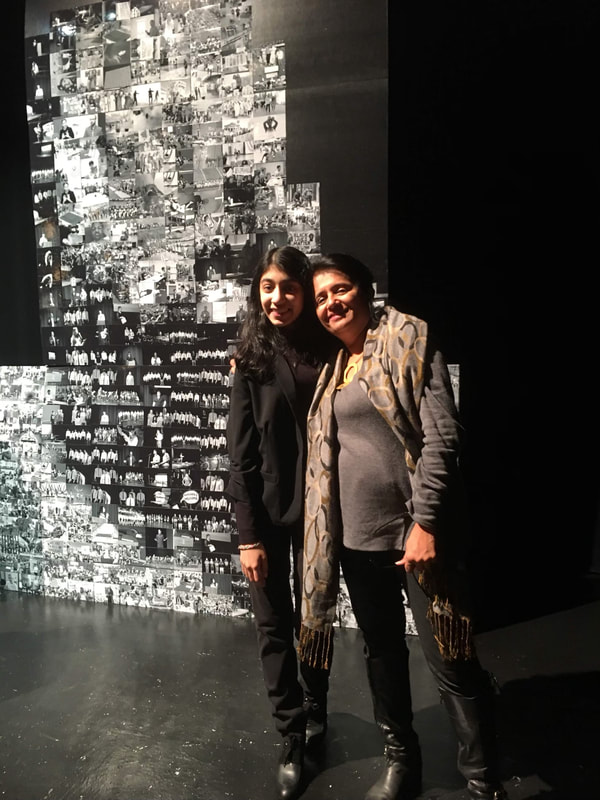
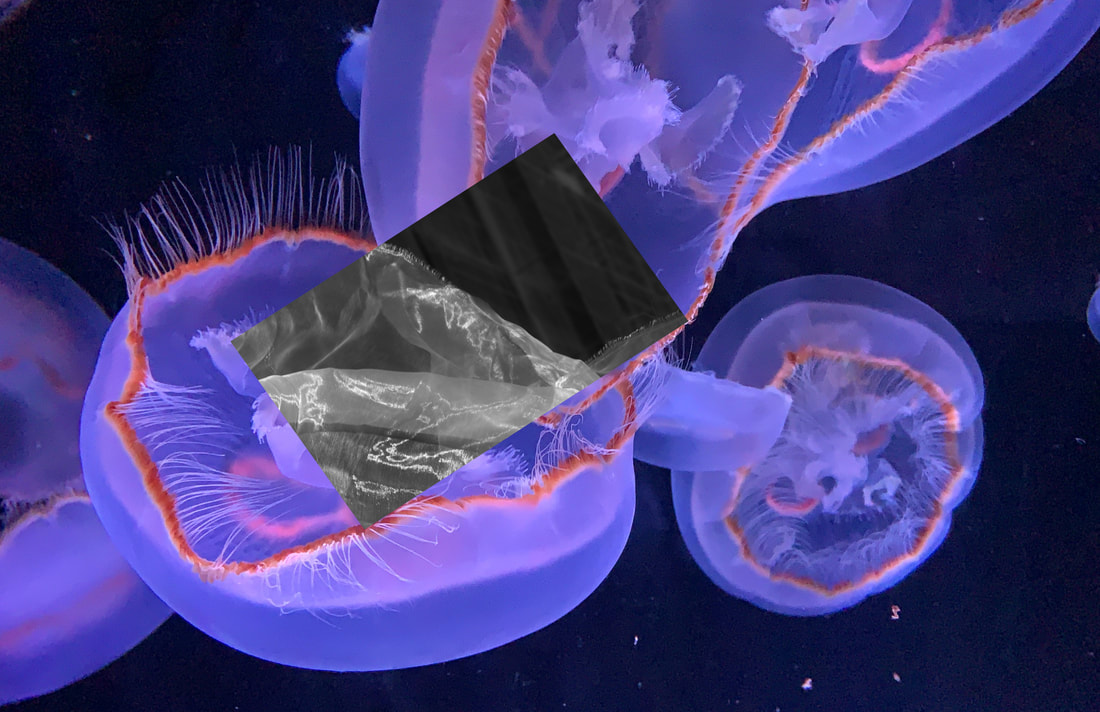
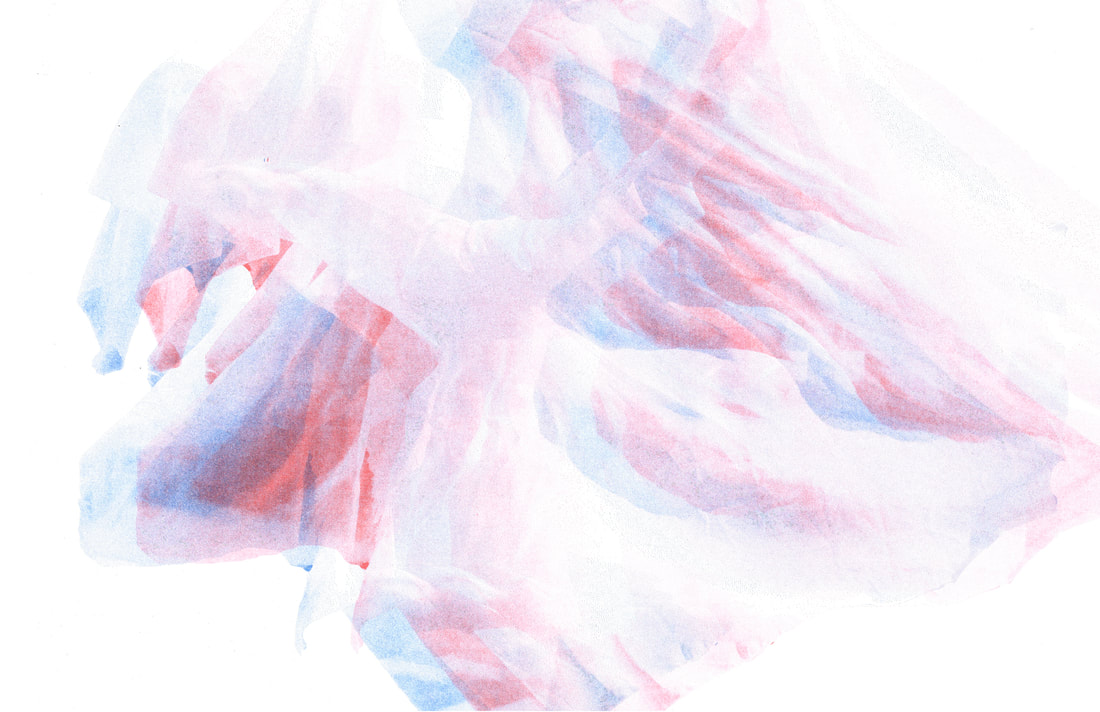
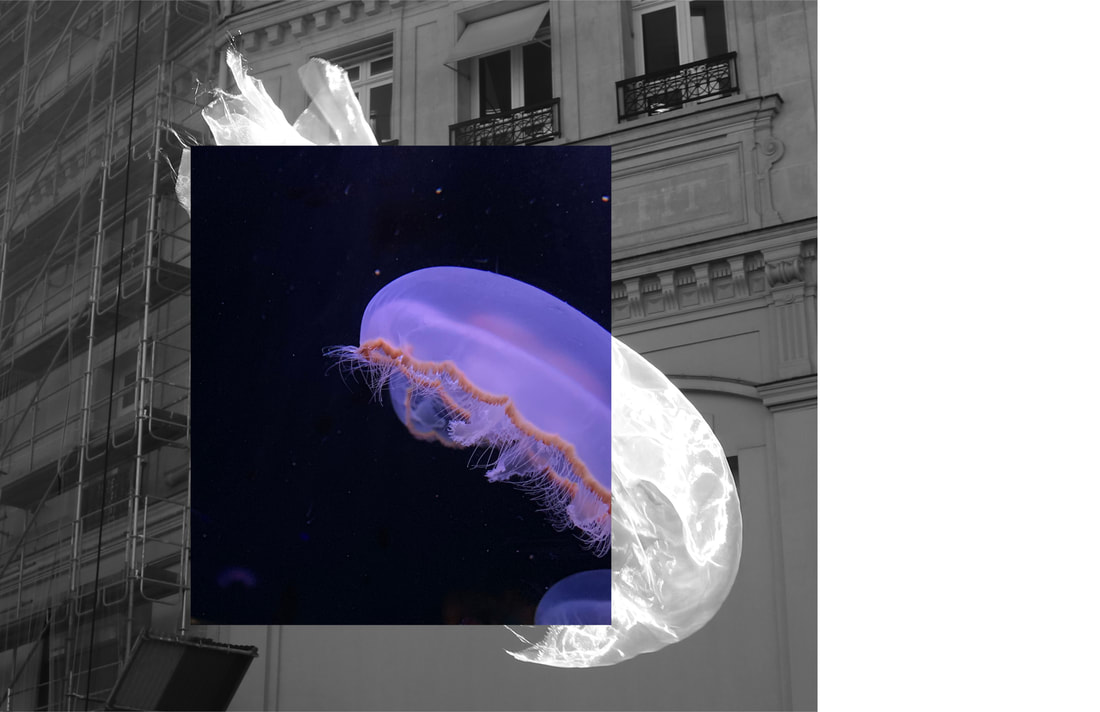
By Aaron Zhang “I would describe myself usually as a person of words,” Mehek Gosalia said. This may seem counterintuitive, considering how she incorporates STEM in art—in our conversation, she made coding analogies to describe her work. However, she explained that she uses technological and artistic mediums to explore non-verbal communication.
0 Comments
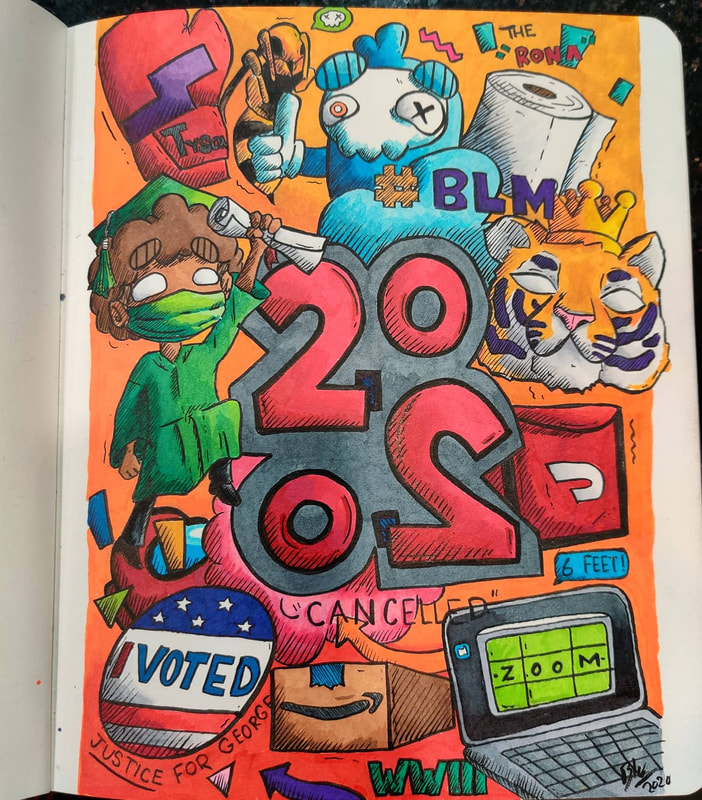
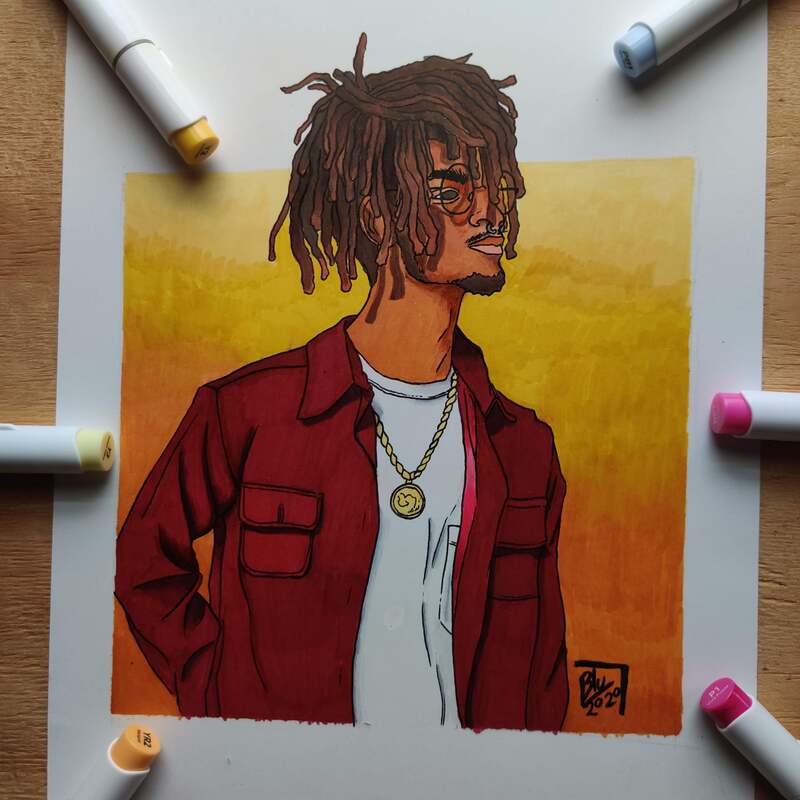
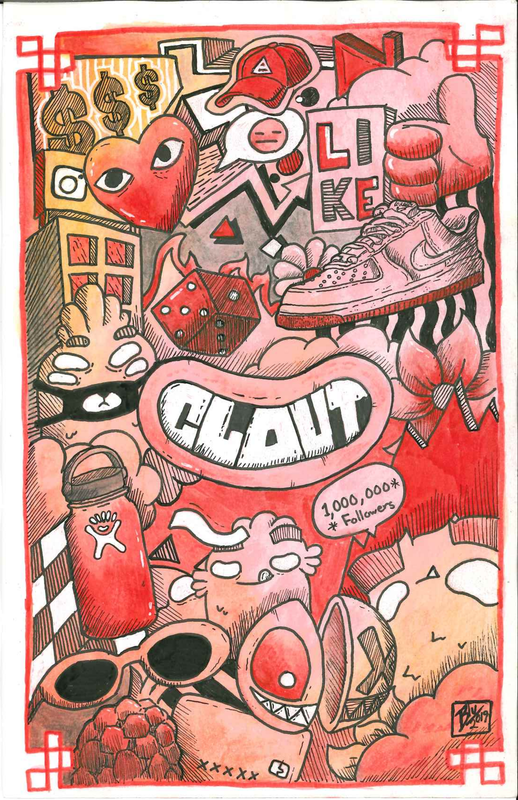
By Aaron Zhang Michael Johnson explores different emotions through his vibrant doodle art pieces. In his piece about 2020, “CANCELLED,” he layers drawings of an Amazon package, a BLM hashtag, him graduating, a hornet nearly blending into the background, and one of his signature characters giving a thumbs-up to the viewer. He shows a range of colors and directions depicting the nuances, both happy and sad, of the year.
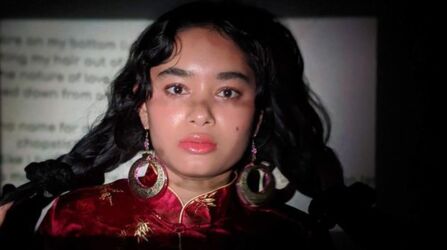 Jasmine Kapadia uses poetry to examine and celebrate her heritage. By Jessica Liu “Poetry started as a way for me to be proud of what I am,” Jasmine Kapadia said. The sixteen-year-old poet’s freeform, lowercase poetry—enriched by her hauntingly specific word choice and versatile use of language—exemplifies her pride in all aspects of her identity
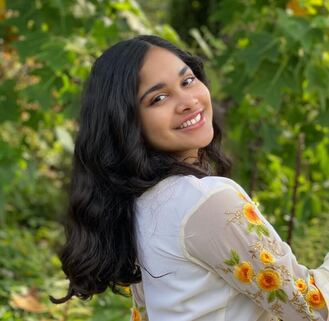 Aislin Alancheril, opera singer. By Aaron Zhang Aislin Alancheril used to worry about attending large parties or dances. As a singer, she didn’t want to accidentally start screaming, which could damage her vocal cords. But now, she’s found a solution: “If people are screaming, I will sing opera,” she laughed.
By Aaron Zhang Chloe Chow (she/they) loves Bob Ross. “Two years ago for Halloween, I dressed up as him,” they said. They were dating someone with curly hair and a beard at the time. Their significant other asked, “‘Shouldn’t I get to be Bob Ross if we’re going to do a collaborative thing?’” Chow said, “and I was like, ‘No, I love Bob. I’ll make the painting.’” This moment exemplifies both their passion for art... and the healing power of Bob Ross.
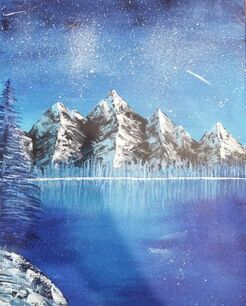 An acrylic painting created by Nya Spivey. By Aaron Zhang Nya Spivey can turn anything into art: “Right now, I’m actually painting clouds on my ceiling… it’s a process,” she said. Spivey’s art is often inspired by a dreamy, almost-accidental moment—for example, after she splattered some paint on a pair of jeans, she decided to lean into the mistake and painted the rest of the denim as well.
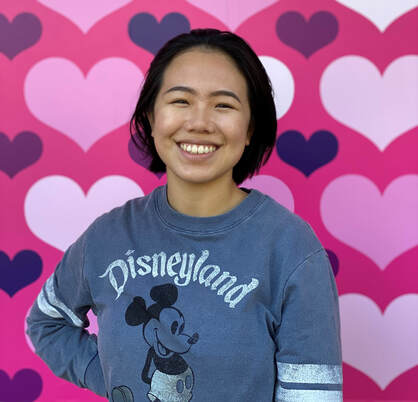 By Aaron Zhang “There's a lot of work that needs to be done in terms of making publishing, literature, writing more equitable,” Krystal Yang said. “There are always stories that need to be told, and there is always a different perspective that can be read.”
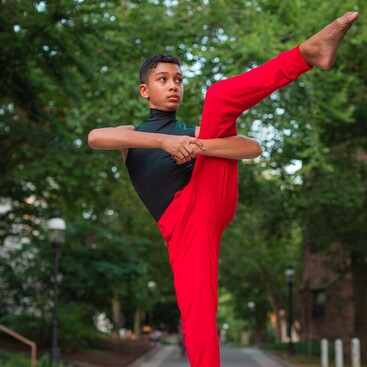 Samarth Ramaswamy, dancer. Photo Credit: Steven Ruggiero. By Aaron Zhang “Sometimes, I can’t get across my words, like I just don’t know what to say,” Samarth Ramaswamy said. “But I feel like I can express anything with dance.”
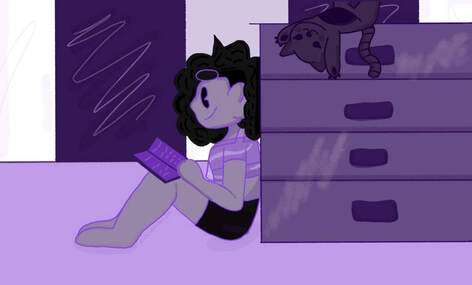 One of Ava Hall's cartoons, inspired by Trevor Noah's "Born A Crime." By Jessica Liu For Ava Hall, art acts as a microcosm of her life: “It’s not as much about a story as just one image that happened in my day,” she explained. Hall’s highly personal passion for her art and drive to artistically improve is evident in her grasp of visual art forms from animation to comics.
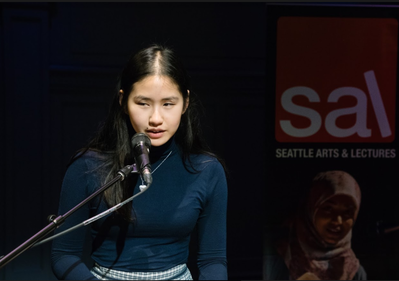 Marina Chen reads her poetry at a Seattle Arts and Lectures event. By Anya Shukla Sometimes, Marina Chen wakes up in the middle of the night, a fragment of a poem in her head; she keeps a notebook by her bed specifically so she can write down her midnight thoughts. It’s safe to say she constantly thinks about the art form.
|
Archives
February 2023
Categories
All
|
 RSS Feed